My second item of interest is a book called The Zones of Regulation which is a curriculum designed to foster self-regulation and emotional control. The curriculum's learning activities are presented in 18 lessons. The Zones of Regulation is a conceptual framework is designed to be taught by anyone who works with students who struggle with self-regulation. This curriculum is used to teach students: how to identify their feelings and levels of alertness, effective regulation tools, when and how to use the tools, problem solve positive solutions, understand how their behaviors influence others' thoughts and feelings. This can include, but not limited to special education and regular education teachers, occupational therapists, speech and language pathologists, psychologists, counselors, social workers, and parents.
I decided to share this curriculum because it can help us as social workers teach clients how to learn to express what they are feeling and explore their reactions and behavior. For instance, social workers can use this as a check-in. It is suggested to use and introduce the concept of the zones with the wall posters for a visual. A social worker can share the four zones and describe how it would be used during their session and have the client express how their brain and body feels before and after the session.
When a person is in a blue zone, their body is running slow, such as when you are tired, sick, sad or bored. The green zone is described to be as a green street light, meaning "good to go". If a person is in the green zone a person might feel happy, calm and focused. The yellow zone is compared to a caution sign meaning to slow down. A person in this zone may feel frustrated, overwhelmed, silly, excited, anxious or surprised. When someone is in the red zone, they might be out of control meaning; feeling extreme emotions such as terror, uncontrolled anger, and aggression. In this zone, you have trouble making smart choices and must stop and take a breather. This curriculum also promotes learning sensory and perspective-taking strategies to encourage self-regulation in a variety of scenarios.
In the context of my internship at District 104, my supervisor and I plan to use this curriculum material when working with students. This serves as a great tool because we can share with teachers and parents to help students identify what they are feeling and learn how to self-regulate. This curriculum is appropriate for all ages and can be tailored for students and groups if necessary.
I hope this is helpful to you and your practice! Below is an image of the book! I highly recommend.
As school social workers, there is nothing like a collection of ideas and resources to add to our toolboxes! The school social work students at Dominican University will be sharing items of interest that they have found useful in practice. We hope this site continues to grow and we can share tips and resources for practice!
Showing posts with label Anxiety. Show all posts
Wednesday, October 9, 2019
Saturday, October 5, 2019
Breathing Exercises
Today,
teens are struggling with stress and anxiety issues due to peer pressure,
social media, academic performance, and college preparation. This can cause
teenagers to turn to unhealthy coping mechanisms to manage their stress such as
avoiding responsibilities, overeating, substance and alcohol abuse. There are
healthier ways for teenagers to manage their stress such as drawing, listening
to music, positive self-talk, meditation, yoga, and playing sports. Research
also shows that breathing exercises help reduce stress at all age levels.
When
people are stressed or anxious, they take shorter and more rapid breaths. By
taking a few deep breaths can instantly calm and reduce stress in people. As a
social work intern, I’ve been looking for practical tools to provide education
and mental health services during my sessions with students. Many of my
students have been struggling with stress and anxiety. So teaching my students
how to take deep and slow breaths when they are feeling stressed or anxious can
help them feel calmer at that moment. Breathing exercises can be helpful for
students to use inside and outside of school. They can use deep breathing
exercises before a test or even help fall asleep better. It can be easily used
in their home, classroom, after school activity, anywhere. It is also a tool
that can be used in the workplace after they graduate. I found three easy
breathing exercises from Kids Health that can be implemented during counseling
sessions or even at the moment a teen is experiencing a lot of anxiety or
stress.
Reference
Teens Health
from Nemours. (2019). Relaxation exercises: breathing basics. Retrieved from https://kidshealth.org/en/teens/relax-breathing.html
Thursday, September 26, 2019
Calm Guided Meditation
Calm is a guided mindfulness and meditation app that can be used in a lot of different ways. Each day has a daily calm that provides the user with a focus on how to be more mindful and helps guide the user into recognizing times that cause stress. Most of the meditations are about 10 minutes but you are able to find ones that are shorter or longer depending on your needs. There are also different programs for things like sleep, anxiety, stress, self-care, focus, etc. There are different practices that last between 7 to 21 days that focus on different needs as well which I thought could be helpful for a student or an educator who might be facing certain challenges. Other features include music that is calming or energizing that lasts a few minutes or over an hour, a collection of sleep stories to help individuals with anxious minds work on their sleep hygiene, and short stretches and yoga moves to help relax the body.
I believe this practice would be helpful to use in sessions or groups with students because it has been shown to be effective and is fairly simple to practice. It helps with feelings of disappointment or overwhelming experiences. Mindfulness has been used with students with ADHD and Autism as well as anxiety, depression, and behavioral challenges. Mindfulness can be used as an empowerment tool for students and help them regulate emotions and build resilience in tough situations. The creators of Calm state that using mindfulness can help students regulate emotions better, be more alert during learning, have better attention to the task at hand and respond better to the needs of other students. The application has a seven-page instruction manual on how to implement this practice in a school setting as well.
This website has a few options for access, one is limited access which is free to all users. The second option is that an individual can pay for an annual membership of $59.99 or a lifetime membership for $399.99. However, there are two options for school social workers, you can sign up through calm health and get a free yearlong subscription for being a social worker or you can sign up through calm schools and get a lifetime membership for free, you just have to get approved. It can be accessed through your computer, android, or iPhone.
You can access this website by downloading the app on your iPhone or Android, or by going to: www.calm.com
Monday, October 29, 2018
Social Worker Toolbox
While doing some research I came across this website that I thought had some good resources. There are different resources, activities and education material for students and their family. Topics include alcohol use, bullying, mental health (depression, suicide, anxiety) self harm, domestic violence, parenting, social emotional skills and so much more. Curriculums, planning and intervention handouts and assessments are also provided to use. Website also includes books suggestions on various topics such as grief and loss, bullying and adoption. The website provides resources for so many topics that I suggest you check it out!
http://www.socialworkerstoolbox.com/
Friday, October 26, 2018
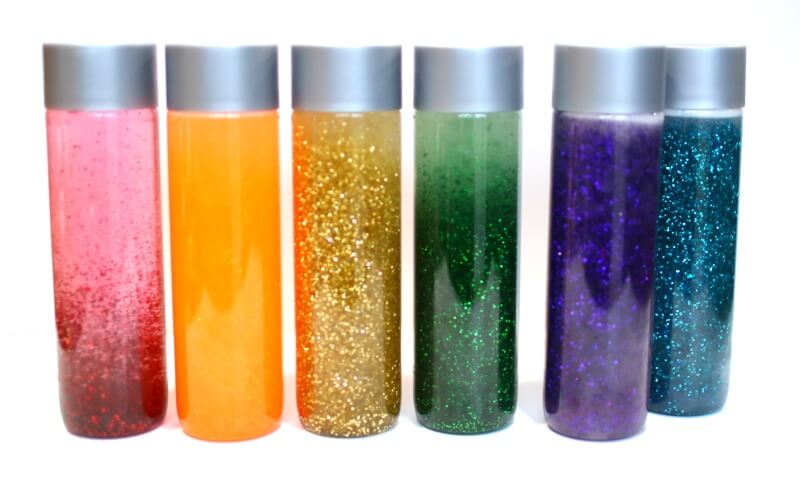
DIY Calming/Mindfulness Bottle

This item of interest is an activity I started doing a while ago. I want to firstly point out that it is not evidence based. This activity is mostly a tool to help children cope with stress, worries, anxiety, etc. I usually use this activity with the younger children (K-3). The purpose of the activity is to teach children a strategy they can use in the moment when they are crying, panicked, stressed, or worried. It teaches children about self-regulation which is a necessary skill in order to help them be successful. Self-regulation is one of the skills that social workers can help educate the younger students about managing their emotions, and behavior.
To make it you can use an empty plastic water bottle of any kind, or a glass mason jar (or any jar). However, I usually only use plastic because kids drop stuff all the time and glass is messy and dangerous! To make it you will need a bottle of your choice with a lid, water, clear glue, gorilla or super glue, and food coloring. There are other methods to make it with glitter glue that work well too.
You start out by filling the bottle 3/4ths full of room temp water. Then you add about half a bottle of the clear glue (this can be changed depending on how slow or fast you want the glitter to slow down). Then I shake the water and glue together. After that add 1 drop of food coloring to sort of match the color of glitter you are using. Then you add the glitter. You can add more food coloring if necessary, however the fewer drops the better otherwise it will turn foggy and you won't be able to see the glitter. Shake it to combine everything. The last step is the most important, you want to make sure that you super glue the lid shut. Otherwise you'll have a very messy end product.
Usually before I make this with a student, I shake the bottle and ask them thoughtful questions like does your mind or body ever feel this way? You can discuss with them how when the glitter is moving fast and all over the place, sometimes our brain and bodies feel that way too when we are feeling anxious, stressed, worried, etc. Then when we use coping skills and other strategies, our brain and body can calm down like the glitter does. For younger kids, during crying/tantrums/freak outs, you can give them this to use as a timer and when the glitter is stopped, that means its time for them to stop too.
You can most certainly pair this activity with some evidence based tools like mindfulness. You can teach them deep breathing strategies (star breathing for younger kids). That way there is some evidence based treatment attached to the activity.
Usually before I make this with a student, I shake the bottle and ask them thoughtful questions like does your mind or body ever feel this way? You can discuss with them how when the glitter is moving fast and all over the place, sometimes our brain and bodies feel that way too when we are feeling anxious, stressed, worried, etc. Then when we use coping skills and other strategies, our brain and body can calm down like the glitter does. For younger kids, during crying/tantrums/freak outs, you can give them this to use as a timer and when the glitter is stopped, that means its time for them to stop too.
You can most certainly pair this activity with some evidence based tools like mindfulness. You can teach them deep breathing strategies (star breathing for younger kids). That way there is some evidence based treatment attached to the activity.
Monday, November 6, 2017
Calm Classroom
Calm Classroom- Bringing Mindfulness to School
Calm Classroom is a resource we use at York High School in the classroom and in group sessions with our students. It is a form of guided mediation for students with anxiety and can be helpful in getting the classroom together and more peaceful. Calm Classroom is a way to promote mental and emotional well-being through mindfulness. The intention of this curriculum is to use this mindfulness based tool to "manage stress and achieve emotional well-being" by activating the body's relaxation response. Research done by those who use Calm Classroom has shown that student and teacher stress is reduced, while classroom engagement is improved.
In my own placement, I use Calm Classroom in an anxiety and a social-emotional learning group. I implement the practice at the start of the group so the students start with a calm and relaxed attitude. This can be done by playing the guided mediation music or scripts, or by reading the script to the students yourself. Some students do not enjoy the guided mediation, so instead we do our own mindfulness practices. I always allow for a discussion after to see how the students felt about that weeks activity.
The Social Work Model area I would put this resources into would be Practice 1 "Provide evidence based education, behavior, and mental health services". This is done by implementing multi-tiered programs and practices, in group and individual settings.
"Feeling the Breath" is an activity for the high school classroom and "Body Scan" is for elementary and middle school classrooms.
Wednesday, November 1, 2017
School Anxiety Strategies
What to do when a student comes to your office and displays
or describes physical behaviors of anxiety? Listed below is a mindfulness
exercise where a student should describe 5 things about an item to help with
anxiety.
Mindfulness Exercise – Notice 5 things
◦ Observe
5 things you can SEE and silently describe them to yourself in great detail.
◦ Observe
5 things you can HEAR and silently describe them to yourself in great detail.
◦ Observe
5 things you can FEEL and silently describe them to yourself in great detail.
◦ **Describe
as if you were telling a person who has never seen, heard, or touched the
objects before.
Next, is an anxiety kit that can
be created for individuals or a group to utilize for anxiety activities for
when a student is currently feeling physically anxious and displays this
behavior- the activity listed above can be incorporated into the crisis kit
(ex. Have a student smell the lotion and describe the scent, touch, how it
looks, etc.)
Crisis Kit of Objects
◦ Scented
Lotion
◦ Gum/mints/candy
◦ Fidget
toy (stone, toy, cloth)
◦ Deck
of cards
◦ Silly
putty/play-doh
◦ Pen/paper/journal
◦ Colored
pencils
◦ Activity
workbook
◦ Crosswords,
word searched, puzzles, hidden pictures
Anxiety Ladder – can be offered as
an anxiety tool for the student to anxiety how they are feeling, at what level,
and what skills they believe can help them at their certain level:
◦ Students
identify different levels of their anxiety by creating an anxiety ladder.
◦ The
ladder is a scale of physical sensation/urges/impulses/thoughts that students
report that they experience when they have anxiety. (ex. Crying, dizziness,
numbness, detached from self, tapping foot/shaking leg, fidgeting, nausea,
racing thoughts, sleep problems, self-harm urges, verbal aggressive urges,
impulsive behavior urges, isolation, nap/sleep, opting out).
◦ The
scale is from 1 to 10 with 10 being the worst amount of anxiety that students
have ever experienced.
◦ Students
identify coping strategies that they feel best work for them when experiencing
identified physical sensations.
This item of information can be connected to
home-school-community linkages for the student and helping with anxiety.
Wednesday, October 25, 2017
Mandalas
While struggling to get a student comfortable in my office, I recalled how in our first meeting together she shared her love of art with me. I recalled how last year in my placement when I was working with an individual, we used Mandalas. While working with my student this year, we both looked at our art while talking and as a result, she began to open up. She did not have to make that eye contract while talking with me, and I believe that really helped her feel more comfortable in sessions. We no longer need to use the art as a place to get comfortable, but it was amazing to see how quickly she chanced when she was able to do something she loved that was also a soothing activity.
Research suggests that Mandalas reduce anxiety, so while working with an extremely anxious student, this is a good activity especially when starting to get to know each other. This activity fits into the School Social Work Model because this activity is evidence based, and I am using it to provide mental health services. It was evident when leaving that session, my student was less anxious about meeting with me, and as a result, we have had extremely effective sessions. I highly recommend doing Mandalas or any type of art therapy with your students when you can sense some anxiety, it is a simple activity that may help your student relax, and it is fun!
Subscribe to:
Comments (Atom)