Showing posts with label Coping skills. Show all posts

Wednesday, November 20, 2019

Virtual Hope Box


This weeks item of interest is called the Virtual Hope Box. The Virtual Hope Box app is a therapeutic tool that can be used for those who may have difficulty coping with negative thoughts and stress, including patients who may be at risk of suicide or non-suicidal self-harm. It is available as a free download on iOS and Android platforms and can be used for adolescents and adults. This app is used among many of the teens at Waukegan High School based on the student's needs. There are different categories that contain coping, relaxation, distraction, and positive thinking techniques. The distraction techniques include games that require focus, such as Sudoku and word puzzles. Some relaxation techniques offer a variety of guided and self-controlled meditation exercises. The coping techniques offer suggestions for activities that reduce stress. The inspiration section offers quotes to improve mood and motivation. 


Virtual Hope Box is connected to evidence practice for many reasons. This app was developed by Nigel Bush, a research psychologist for the Defense Department’s National Center for Telehealth & Technology (T2) a component center of the Defense Centers of Excellence for Psychological Health and Traumatic Brain Injury. VHB is a tool for moments of crisis and intended to supplement treatments already happening. The purpose of this tool is to help individuals distress by using coping and emotion regulation skills.


Wednesday, October 3, 2018

Item of Interest - I Love Me

Items of Interests - Art Therapy
Summary
The item of interest that I chose is an artistic therapeutic technique. It is called “I Love Me.” The purpose of this activity is for students to better their self-esteem and show them that there’s different things that represent who they are as a whole; this activity can help them love their uniqueness. This activity requires students to write down what makes them, them. They write this on the leaf and paste it to the tree (the tree trunk represents themselves). The picture below is an example however, it can be adjusted using any image of a tree and leaves. It could be as simple as the students cutting out their own tree’s and leaves.
I believe that this is a great idea to use for students who are in 4th grade all the way to high school students. This is a great activity for student who have low self-esteem or who have feelings of anxiety. It can help show them that they are beautiful in their own unique way. This activity is fun and relaxing; who doesn’t love art?! This activity fits into the School Social Work Model because it is evidence based; art therapy has been shown to reduce feelings of anxiety and has also shown to be a form of relaxation. I have used this activity at my previous internship and the students loved it. I can’t wait to use this in one of my sessions this year.

Activity


Monday, October 1, 2018

Group activities resource


104 Activities that build: self- esteem, teamwork, communication, anger management, self-discovery, coping skills, is a book that I discovered and purchased over the summer as a resource for activities to do in any groups that I may have. The book contains game and activity ideas to address different topics. The games can encourage children to modify behavior, increase interaction with others, start discussions, address issues, and build relationships. The activities in the book are best suited for middle school and high school age students. I think it’s a great resource because most of the activities don’t require many materials and all of them have some sort of discussion piece that can be done following the activity.

The book’s author, Alanna Jones, is a certified Therapeutic Recreation Specialist, who has worked in psychiatric hospitals with children, adolescents, and adults. She has several other books out with therapy games and other team-building activities. These activities can help us deliver evidence-based education, behavior, and mental-health services to our students.

Wednesday, November 29, 2017

Positive Behavioral Intervention Support (PBIS)

Positive Behavioral Interventions and Support
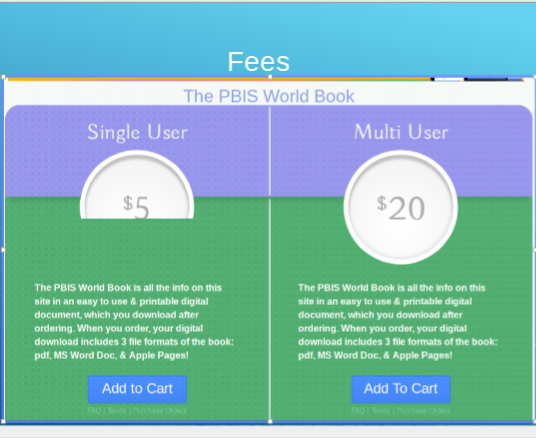
This intervention was first created by a school social worker at a school in Michigan. The program offers tier I, II, and III supports for students in the classroom. It is used to help student who are suffering from anxiety, depression, constant criers, and among other distressful behaviors. If these interventions are not effective, the school social worker may switch to tier II supports. I feel this intervention is very helpful to students who are struggling with issues in the classroom. There are fees to use the intervention tool and I feel it is beneficial for the classroom.


https://www.whyliveschool.com/?s=pbis

Wednesday, November 1, 2017

Stopping the pain - Self harm


Stopping the Pain: A workbook for teens who cut & self injure by Lawrence Shapiro

What does Self harm look like? 
--> Cutting, Burning, Hitting self/head banging, skin picking, bone breaking, biting, other.

This workbook offers activities on automatic thoughts and how to change their thinking habits, as well as coping habits that can be implemented as interventions for the student. Listed below are some sheets from the book as a preview of the workbook!


Wednesday, October 18, 2017

Bounce Back is a school-based group intervention for elementary students who were exposed to stressful and traumatic events Designed to be administered by clinicians, Bounce Back is based on Cognitive Behavioral Intervention for Trauma inn Schools or CBITS. Bounce back trainings can be done completely online; the training offers multiple lectures that outline the curriculum in specific details. Once you complete all lessons you have access to all the material, resources, and activities all planned out and ready to use with students specifically in the school setting and dealing with trauma. This program is laid out in 10 sessions, which include individual, parent and group sessions. The purpose of Bounce Back is to teach students ways to cope with and recover from traumatic events, helping them go back to their routine of doing what they want and need to do. The Bounce Back program is appropriate for children and families of diverse ethnic and social backgrounds.  The training is intended to teach the adult the process of the program from the initial interview and screener, to the lessons and activities and eventually “graduating” from the program.  The program is free; however, it will take you a couple of hours to complete the whole training, and it can be done in more than one sitting. I encourage everyone to check it out and complete the training to help build your social work resources. 


https://bouncebackprogram.org