

The second item
of interest I chose was Calm Classroom,
by Jai and Joy Luster. This is an
evidence based program that uses mindfulness techniques to help students and
teachers be more aware of themselves.
The program focuses on developing self-awareness, mental focus and inner
calm. Calm Classroom provides users with ways to manage stress, regulate
their emotions, and live more balanced lives.
The program includes breathing, stretching, relaxation, and focusing
methods to create a more mindful school climate. Many of these techniques are written down by
the authors and read to the class by the teacher. Each technique takes roughly three minutes to
implement by a teacher. The teacher is
supposed to do the activities three times a day at scheduled times. These methods are not limited to just a
school, they can also be implemented during individual sessions with
students.
Calm Classroom is ultimately dependent on the teacher or
social workers consistency to utilize the methods provided in the curriculum;
regular use will produce the most effective results. Ultimately, the program encourages the
development of empowered and self-aware students and emphasizes peace in
ourselves and our communities. Subscribe To School Social Work Items of Interest

 Posts
All Comments
Posts
All Comments
Monday, November 5, 2018

Wednesday, October 31, 2018
Coping with Stress
https://www.changetochill.org/
This is a great resource for high school students dealing with stress. It has resources for students as well as those working with students. I found it helpful working one on one with students as well as group activities. There is a short quiz about what stresses them out and how they deal with it. Then the website gives personalized resources based on their answers. There is a focus on gratitude, mindfulness, guided imagery and balance. So many activities and worksheets are under each section. The mindfulness section has different recordings as well as reading prompts. One of my favorite ones is the gratitude section where there is a structured worksheet to write down 3 things someone is grateful for each day and different writing prompts as well. There are also videos that explain different topics and ways to handle stress from a high school student perspective. This website gives a great way to help facilitate conversations about stress and anxieties especially when students have a hard time verbalizing what would be helpful for them.
This is a great resource for high school students dealing with stress. It has resources for students as well as those working with students. I found it helpful working one on one with students as well as group activities. There is a short quiz about what stresses them out and how they deal with it. Then the website gives personalized resources based on their answers. There is a focus on gratitude, mindfulness, guided imagery and balance. So many activities and worksheets are under each section. The mindfulness section has different recordings as well as reading prompts. One of my favorite ones is the gratitude section where there is a structured worksheet to write down 3 things someone is grateful for each day and different writing prompts as well. There are also videos that explain different topics and ways to handle stress from a high school student perspective. This website gives a great way to help facilitate conversations about stress and anxieties especially when students have a hard time verbalizing what would be helpful for them.
October 31, 2018
Items of Interests – Love Line
Summary
The
item of interest that I chose is a theraputic technique to communicate feelings
and improve self-esteem. It is called “Love Line.” The purpose of this activity
is for students to reflect on positive qualities of the other people in their
social work group and to pass along their thoughts to the individuals in group.
This activity can help build courage and of course, self-esteem! This activity
requires for students to write on a note card (or any type of paper- we can be
creative and write it on heart-shaped cut outs, etc.!) Students then write a
small message to their peers and insert it in the envelope (or jar, again, lets
all be creative) of the designated student. The picture below is an example
however, it can be adjusted using envelops as mentioned in the book, jars, decorated
tissue boxes, etc.! The paper can also be on a regular sheet of paper, note
cards, different designed cut-outs.
I
believe that this is a great idea to use for students who are in 3rd
or 4th grade all the way to high school students. This is a great
activity for students who have low self-esteem or who have difficulties
communicating their feelings. It can help show them that they are beautiful in
their own unique way and can help show them the different positive ways other people
see them. I can also see this activity fit into an artistic theraputic activity
because This activity fits into the School Social Work Model because it is
evidence based; increasing self-esteem can help the student build confidence
and lead to a brighter future. I really hope to use this activity with my 5th
grade group soon!
Activity can be found on
pages 78-79*


Monday, October 29, 2018
Social Worker Toolbox
While doing some research I came across this website that I thought had some good resources. There are different resources, activities and education material for students and their family. Topics include alcohol use, bullying, mental health (depression, suicide, anxiety) self harm, domestic violence, parenting, social emotional skills and so much more. Curriculums, planning and intervention handouts and assessments are also provided to use. Website also includes books suggestions on various topics such as grief and loss, bullying and adoption. The website provides resources for so many topics that I suggest you check it out!
http://www.socialworkerstoolbox.com/
http://www.socialworkerstoolbox.com/
Friday, October 26, 2018
DIY Calming/Mindfulness Bottle
DIY Calming/Mindfulness Bottle
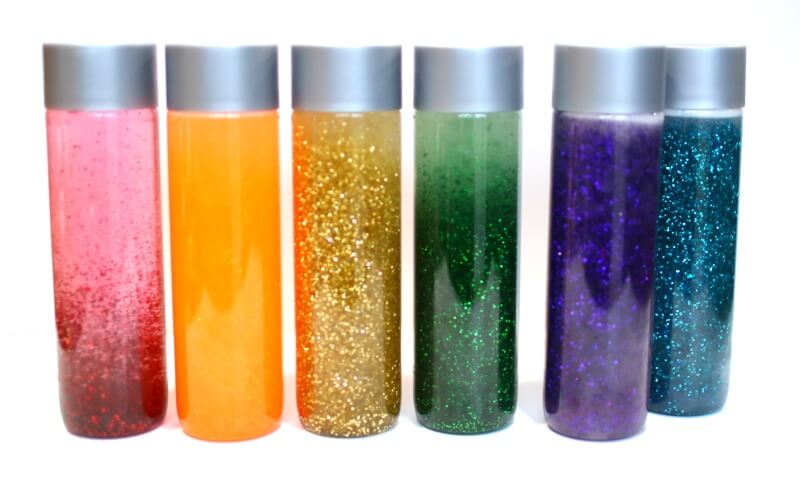
This item of interest is an activity I started doing a while ago. I want to firstly point out that it is not evidence based. This activity is mostly a tool to help children cope with stress, worries, anxiety, etc. I usually use this activity with the younger children (K-3). The purpose of the activity is to teach children a strategy they can use in the moment when they are crying, panicked, stressed, or worried. It teaches children about self-regulation which is a necessary skill in order to help them be successful. Self-regulation is one of the skills that social workers can help educate the younger students about managing their emotions, and behavior.
To make it you can use an empty plastic water bottle of any kind, or a glass mason jar (or any jar). However, I usually only use plastic because kids drop stuff all the time and glass is messy and dangerous! To make it you will need a bottle of your choice with a lid, water, clear glue, gorilla or super glue, and food coloring. There are other methods to make it with glitter glue that work well too.
You start out by filling the bottle 3/4ths full of room temp water. Then you add about half a bottle of the clear glue (this can be changed depending on how slow or fast you want the glitter to slow down). Then I shake the water and glue together. After that add 1 drop of food coloring to sort of match the color of glitter you are using. Then you add the glitter. You can add more food coloring if necessary, however the fewer drops the better otherwise it will turn foggy and you won't be able to see the glitter. Shake it to combine everything. The last step is the most important, you want to make sure that you super glue the lid shut. Otherwise you'll have a very messy end product.
Usually before I make this with a student, I shake the bottle and ask them thoughtful questions like does your mind or body ever feel this way? You can discuss with them how when the glitter is moving fast and all over the place, sometimes our brain and bodies feel that way too when we are feeling anxious, stressed, worried, etc. Then when we use coping skills and other strategies, our brain and body can calm down like the glitter does. For younger kids, during crying/tantrums/freak outs, you can give them this to use as a timer and when the glitter is stopped, that means its time for them to stop too.
You can most certainly pair this activity with some evidence based tools like mindfulness. You can teach them deep breathing strategies (star breathing for younger kids). That way there is some evidence based treatment attached to the activity.
Usually before I make this with a student, I shake the bottle and ask them thoughtful questions like does your mind or body ever feel this way? You can discuss with them how when the glitter is moving fast and all over the place, sometimes our brain and bodies feel that way too when we are feeling anxious, stressed, worried, etc. Then when we use coping skills and other strategies, our brain and body can calm down like the glitter does. For younger kids, during crying/tantrums/freak outs, you can give them this to use as a timer and when the glitter is stopped, that means its time for them to stop too.
You can most certainly pair this activity with some evidence based tools like mindfulness. You can teach them deep breathing strategies (star breathing for younger kids). That way there is some evidence based treatment attached to the activity.
Monday, October 22, 2018
Mindful Games
Jaclyn Walsh
Item of Interest
10/17/18

For my item of interest, I chose to talk
about the awesome resource for client work by the name of, Mindful Games Activity Cards. This is a great resource to have for
young kiddos and teens. I had purchased Mindfulness Games the book last year
and dogeared a bunch of pages. The focus in this book is on assisting kids with
the development of their sensory awareness, their focusing skills and the
regulation of emotions, all with a sense of freedom. This book talks about the
importance of kids learning how to ‘check in with themselves’ or to know when
they need to ‘check out’; essentially practicing mindfulness. Mindfulness and
meditation are at the core of this book, with the author zooming in her focus
on 6 different life skills sections: focusing, quieting, seeing, reframing,
caring, and connecting. Within each of these sections are multiple activities,
with each activity having a brief summary at the top for what it entails
(always simple yet effective), how long the activity takes, the skill set that
it focuses on developing and the age group that the author recommends it for.
Though it does say for teenagers as well, I did notice that many of these
activities seem to be geared towards younger kids, though you can most
certainly make your own modifications. I did mention the playing cards (I have
not purchased these yet), only because it may be easier to pull them out during
a session, rather than flip through the book. All of these ‘games’ are super
innovative and possess a genuine and gentle approach. The earlier kids start
learning the practice of mindfulness the more internally/externally aware and
compassionate adults they will be. Mindful games can be implemented in group
settings/activities, as well as individually. Mindful games can also be helpful
for educators to check in with their students and take ‘brain breaks’.
Mindfulness-Based Stress Reduction, also
known as MBSR, is an evidence based practice that implements aspects of
mindfulness meditation and yoga into practice with clients. The emphasis in
this intervention is on the attention to thoughts. Many individuals suffering
from anxiety, panic disorders, depression and even pain disorders can see great
benefits from the implementation of this intervention. MBSR is increasing in
popularity throughout the United States.
Mindful Games can be purchased through
Amazon and Barnes & Noble
Book: $12
Playing Cards: $17
Tuesday, October 16, 2018
Second Step Social Emotional Learning
For my item of interest, I chose the Early Learning
Second Step Program. It is a learning
program rooted in social-emotional learning (SEL) aimed at creating a more
empathetic society using a holistic approach with teachers, educators, and
community members. This program focuses
on children developing and utilizing positive relationships, make smart
decisions, gain confidence, be responsible and collaborate with others. This program can begin in pre-K by teaching
listening skills and behavior management and continues on to eighth grade to
teach conflict resolution and values.
Concepts are learned by lessons, games, songs, and pictures. The lessons are taught in four different
sections covering: skills for learning, empathy and emotion management,
problems solving, and friendship skills.
It is used in over 70 countries, reaching about 14 million students each
year. It is based off of years of
research and experience.
This program is based on the evidence that has shown social-emotional learning is imperative to be successful academically, socially, and professionally. The program has been researched and has been found to be based on best practice. This program provides evidence based education to students. At my internship, this program has been used by teachers and social workers. Not all lessons and parts are used fully by teachers; staff utilizes the parts that they feel their class needs at the time. Social workers tend to use all the parts of the program, tailoring it to different age groups and group needs.
Below is the link to take you to their site!
http://www.secondstep.org/what-is-second-step
Subscribe to:
Posts (Atom)